Community Engagement & Partnership
PRIHSM - NIH Maternal Health Research Center of Excellence
The goal of the Community Engagement and Partnership component (CEP) is to ensure that patients and key stakeholders are integrated into all phases of PRIHSM’s research to improve maternal health. PRIHSM focuses on postpartum hemorrhage (PPH), which is one of the most common causes of severe maternal morbidity (SMM) and maternal mortality. While engagement of patients and communities in biomedical research is increasingly recognized as a best practice for promoting health, there is a dearth of engagement in setting research priorities for SMM and limited understanding of patients’ lived experiences after an obstetric complication. These limitations are even more stark when considering issues such as severe PPH and its short and long term physical health outcomes, which are the focus of PRIHSM’s research projects. Strong, bidirectional patient and community partnerships and effective engagement strategies are essential for identifying and implementing the most promising interventions to reduce SMM and maternal mortality due to PPH. Thus, CEP will create bidirectional partnerships with patients, key stakeholders, and community-based organizations that represent individuals affected by the study outcomes through these Specific Aims:
- Aim 1. Build, strengthen, and sustain bidirectional community-university partnerships focused on improving maternal health;
- Aim 2. Integrate perspectives of patients, providers, and healthcare leadership into PRIHSM’s research, using tailored, innovative engagement strategies such as data storytelling and research prioritization activities to promote partner-driven solutions to improve patient-centered outcomes;
- Aim 3. Develop and implement strategies to disseminate PRIHSM’s findings to a broad audience and translate them into clinical policy and practice to promote maternal health, using innovative approaches such as mini-grants to community partners, digital storytelling of study findings, and in-person community gatherings to facilitate maximum engagement and uptake of key health information.
Each of these aims is synergistically aligned with our research projects and training objectives. Successful completion of these Aims will result in strong, sustainable community-university partnerships dedicated to improving maternal health and create a blueprint of best practices for successful community-engaged research focused on maternal health.
The Year 1 report can be downloaded here.
The slides below detail specific activities accomplished within each grant aim of this component from Year 2.
Community Engagement and Partnership Team
Community Advisory Board
The PRIHSM Center CAB below supports the center's overall goals and works directly with the Community Engagement and Partnership Component. The board offers guidance on the center's communication strategies and vision, develops co-learning opportunities related to maternal health, research methods and results, and evaluates the center’s effectiveness. The CAB includes a Community Co-Chair who, along with other center staff, fosters engagement with all CAB members, participates in overall center agenda-setting, co-develops the board's meeting agendas, ensures that board priorities are addressed, and supports CAB community engagement activities.
Bio
Lauren Vivian, MD, MBA, MPH, is the Co-Founder and CEO of WePair Health, a tech-enabled workforce platform that trains and supports community health workers (CHWs), doulas, and other community-rooted professionals. A longtime healthcare advocate with 15+ years advancing community-centered care, she deepened her focus after a traumatic birthing experience and later trained as a certified health coach, CHW, and doula. Today, she works to strengthen the perinatal support ecosystem by expanding access to high-quality training, practical workforce supports, and pathways into paid roles that improve maternal health outcomes. A Southern California native, Lauren lives there with her husband, three children, and dog. Shaped by time living in Spain, Mexico, and across the U.S., she brings a culturally responsive, systems-minded lens that centers community voice, accountability, and measurable impact.
Bio
Tamara Robertson is a distinguished community doula, grassroots organizer, and activist dedicated to reducing the Black maternal and infant mortality rate. A proud mother of five and US Navy veteran, she hails from Long Beach, California, and is deeply committed to serving her community. Now residing in Los Angeles, CA, Tamara fervently advocates for and supports birthing families, bringing her extensive experience and passion to her work.
Bio
Farheen Shaikh, MBBS, MS, serves as a community advisory board member of PRIHSM. With a background in clinical practice and research experience at Stanford University, she offers a multifaceted perspective. Holding a master’s in Global Health from Johns Hopkins University, Farheen is a passionate advocate for improving maternal health both at the community level and globally. Originally from Pakistan and currently residing in Fremont, California, her career goals focus on expanding her expertise and innovating solutions to enhance maternal health outcomes.
Bio
Michelle Diaz is a Healthcare Analyst within the San Francisco Department of Public Health, where she currently works in Quality Management at Zuckerberg General Hospital. Her focus lies in leveraging maternal data-driven insights to inform strategic decision-making aimed at improving population health outcomes. As a mother in San Francisco, she is dedicated to identifying trends, disparities, and emerging issues within our healthcare system and communities. By collaborating with interdisciplinary teams, her goal is to develop evidence-based interventions and initiatives that address the diverse needs of communities, promote health equity, and enhance the overall well-being of her community. On her free time, she enjoys exploring the city with her 4 year old.
Bio
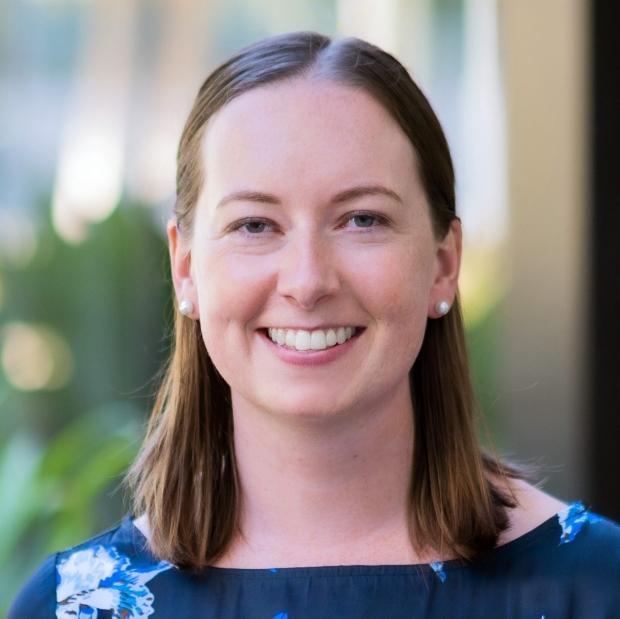
Katherine White has worked for the California Contractors State License Board for five years, currently leading their communications team. After hemorrhaging during the birth of her daughter in 2017, Katherine developed a passion for maternal health and ensuring best outcomes for all involved. Katherine grew up in Northern California and graduated from Chico State with a degree in journalism with a minor in women’s studies. Katherine lives in West Sacramento with her husband, two children, and two cats.
Bio
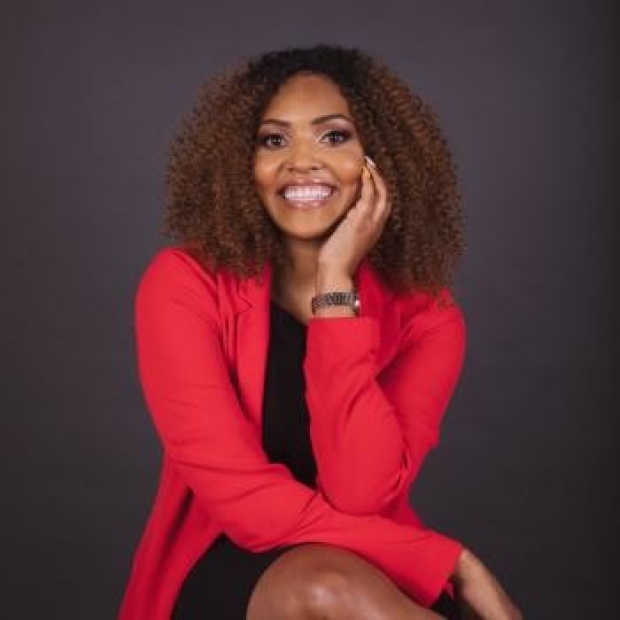
Malinda Rochelle Lewis, a Los Angeles native, is a socialite, philanthropist, and reproductive justice warrior. Malinda is a full spectrum doula, holds a Bachelors of Arts from CSU Long Beach in Communication Studies and a Masters of Arts from CSU Dominguez Hills in Negotiation, Conflict Resolution, and Peace-building. Malinda is passionate about serving the youth of Los Angeles, the empowerment of Black families, and fighting back against the war on Black wombs. In her free time, Malinda enjoys dancing and organizing wellness events curated specifically for Black folx.
Bio
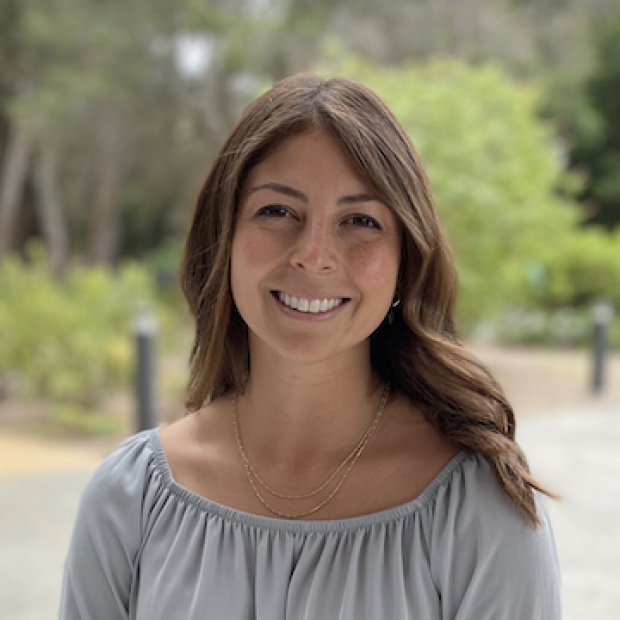
Erika Ocampo-Fields, B.S. Forensic Science is a Agricultural Biologist & Inspector that has held rewarding positions in multiple scientific disciplines where helping the community has been the highlight. Erika has experienced two different but equally important high-risk pregnancies and childbirths that has sparked the research and interest of educating the community on how to prevent postpartum hemorrhage. Presently she resides in the California Sierra Foothills with her husband and two children, and is passionate about finding ways to improve care and educate child- bearing mothers on how to navigate high-risk pregnancies that pose a threat to postpartum hemorrhage.
Bio
Karen Balumbu-Bennett, LCSW, PMH-C is a practicing psychotherapist and mental health consultant based in the greater Los Angeles area. Karen specializes in women’s and maternal mental health and is extremely passionate about supporting women and moms on their quest to live fuller and healthier lives. She lives by the motto “balance over everything” , which is a reminder that when aspects of life are in the correct proportion, overall wellness is more achievable.